Top 10 Electronics Buying Tips for Phones, Chargers, Headphones, and Car Electronics
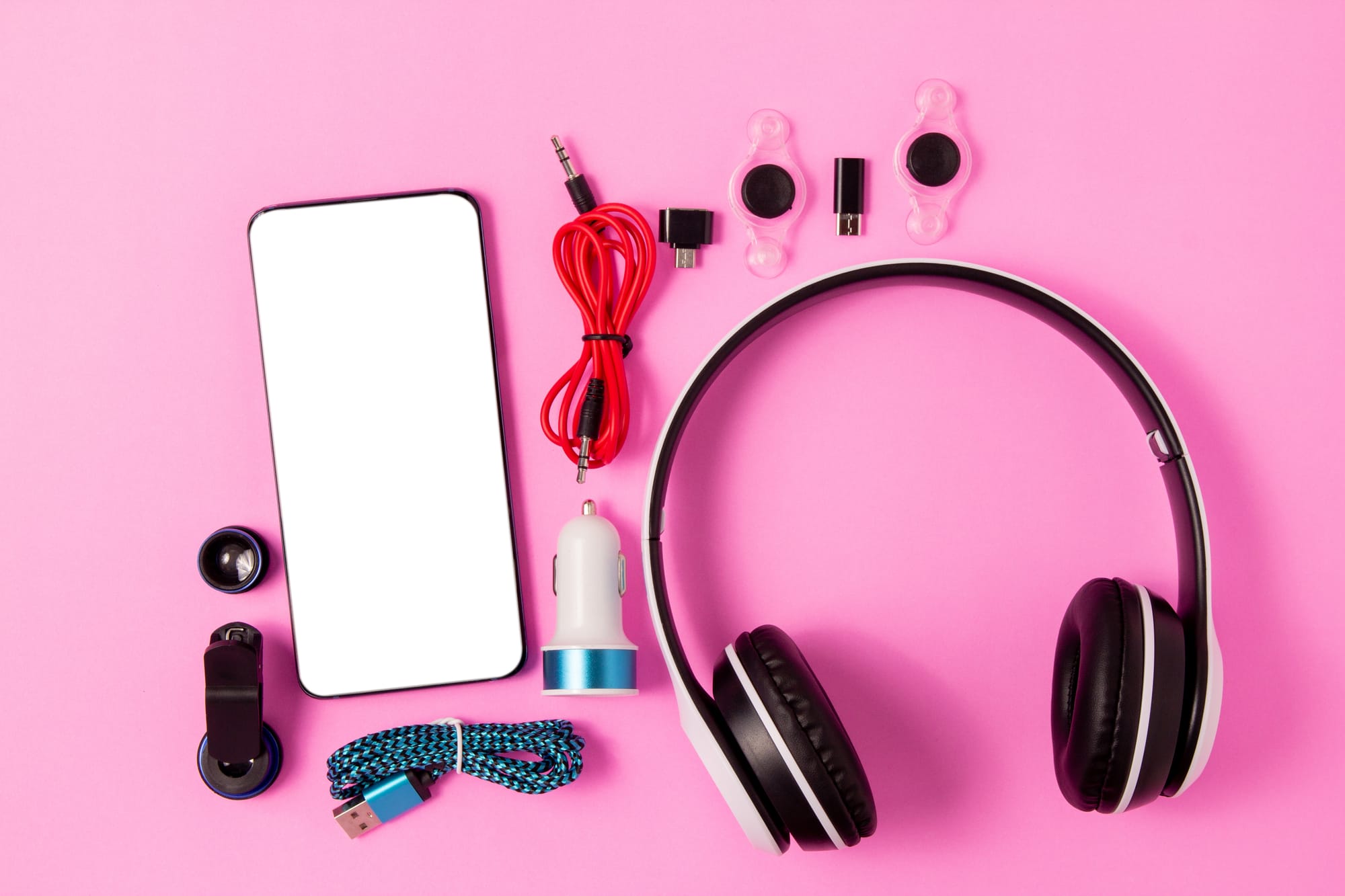
Top 10 Electronics Buying Tips, for Phones, Chargers, Headphones, and Car Electronics
1) Start with your real use case, not the hype
Before you compare specs, decide exactly what you need the device to do, and where you will use it. Many electronics disappoint because buyers chase trending features that do not match daily habits. A phone with top tier camera specs may be wasted if you rarely take photos, while a slightly less expensive model with longer battery life could deliver more value every day.
For phones, write down the top three tasks you do most, such as calls and messaging, social media, video streaming, navigation, gaming, or content creation. For chargers, identify whether you need fast top ups in short time windows, like commuting, or slow overnight charging. For headphones, determine whether you need them for workouts, commuting, office calls, or studio like listening. For car electronics, define whether the main goal is hands free calling, better sound, navigation, safety recording, or power for accessories.
Doing this first prevents overspending and reduces returns. It also helps you choose the right balance of durability, performance, and convenience. If you shop on www.Shoppers.com for electronics, accessories, phones, and car electronics, a clear use case makes it easier to filter options and compare similar products instead of being pulled toward unrelated premium features.
- Phones: pick priorities like battery, camera, display, storage, or mobile gaming performance.
- Chargers: decide between portability, maximum wattage, multi device charging, or rugged build.
- Headphones: choose priority between comfort, microphone quality, noise control, or sound tuning.
- Car electronics: focus on compatibility with your vehicle, safety, and wiring or installation needs.
2) Verify compatibility first, it saves money and time
Compatibility issues cause many frustrating purchases. A charger can be powerful but useless if it does not match your phone’s charging standard. Headphones can sound great but may have latency or pairing problems if your device does not support the right Bluetooth codecs. Car electronics can be the most complex because vehicles vary widely by model year, trim, screen size, and factory wiring.
For phones, confirm your carrier and network technology. Check whether the phone supports the correct 4G and 5G bands used by your network, especially if you buy an unlocked phone. Also confirm software support and region restrictions that can affect payment apps, warranty service, or firmware updates. For chargers, confirm the cable type, such as USB C to USB C or USB A to USB C, and confirm whether your phone uses USB Power Delivery, Quick Charge, or another fast charging method.
For headphones, confirm device support for features like multipoint, low latency mode, and high quality codecs, such as AAC, aptX, or LDAC. For gaming and video calls, confirm that microphone features work in your operating system. For car electronics like head units, amplifiers, dash cams, and chargers, check your vehicle voltage system, fuse availability, mounting space, and whether your car has CAN bus systems that require specific adapters.
- Phone compatibility: network bands, carrier lock status, eSIM or physical SIM support, and software region.
- Charger compatibility: cable type, PD or QC support, wattage limits of your phone, and safety certifications.
- Headphone compatibility: codec support, app support, multipoint pairing, and microphone support.
- Car compatibility: vehicle year and trim, dash space, steering wheel controls, wiring harness requirements, and power limits.
3) Learn the key specs that actually matter, ignore the noisy ones
Marketing can distract you with big numbers that do not translate to real world benefits. Instead, focus on specs that consistently affect daily experience. For phones, battery capacity matters, but efficiency and screen type matter too. A slightly smaller battery on an efficient chip can outlast a bigger battery on a power hungry device. Display brightness and refresh rate affect visibility and smoothness, while storage speed and RAM affect app loading and multitasking.
For chargers, the most meaningful specs are total wattage, supported charging protocols, number of ports, and thermal management. A 65W charger that supports USB Power Delivery with PPS can be more useful than a 100W charger that overheats or does not negotiate power effectively. For headphones, pay attention to comfort, driver tuning, passive isolation, active noise cancellation quality, and microphone performance. Battery life is important, but real world battery life with noise cancellation enabled is more relevant than the maximum claim.
For car electronics, focus on signal to noise ratio for audio gear, video resolution and sensor quality for dash cams, and stable power delivery for chargers and inverters. Also check operating temperature range because cars get extremely hot and cold, which can shorten the lifespan of cheap electronics.
- Phones: real battery endurance, display brightness, update policy, storage size, and camera consistency across lenses.
- Chargers: PD and PPS support, per port output, total output, size, and heat control.
- Headphones: fit and comfort, microphone quality, ANC performance, and stable connection.
- Car electronics: heat tolerance, reliable mounting, clean power delivery, and verified compatibility.
4) Prioritize safety and certification, especially for power products
Chargers, cables, car adapters, power banks, and inverters handle high current and generate heat. Safety should be a first class buying criterion because poor power electronics can damage devices or cause fires. Look for reputable brands, clear ratings, and safety features like over current, over voltage, short circuit protection, and temperature control.
For wall chargers and power strips, look for recognized electrical safety certifications relevant to your region. For car chargers, ensure they support your car’s power socket rating and include protections for voltage spikes. Cars can generate electrical noise and spikes, and a good charger will handle these conditions safely. For power banks, check the cell type, build quality, and whether the brand provides accurate capacity ratings.
For headphones and phones, safety is less about electrical fire risk and more about hearing safety and battery quality. Phones with poor battery management can swell and fail, while headphones at high volume can damage hearing. Consider models that provide volume limiting features, and consider fit that allows comfortable listening at lower volumes.
- Chargers and cables: protections, accurate labeling, sturdy connectors, and heat resistant materials.
- Car power gear: surge protection, stable voltage regulation, and correct fuse ratings.
- Power banks: reputable cells, realistic capacity, and safe charging and discharging control.
- Phones: trusted battery management, official chargers, and avoidance of counterfeit accessories.
5) Compare total cost of ownership, not just the sticker price
The cheapest option can become expensive when you add required accessories, repairs, or replacements. A phone may need a protective case and screen protector, and may also need additional storage subscriptions if internal storage is low. A cheap charger may slow charge and waste time, or fail within months. Headphones might require replacement ear pads, tips, or a carrying case to last longer. Car electronics might require wiring kits, mounting brackets, professional installation, and sometimes vehicle specific adapters.
Think about warranties and repairability too. Phones with longer software updates remain secure and compatible longer, which reduces the need to upgrade soon. Headphones with replaceable ear tips and accessible batteries often last longer. For car electronics, products with standard connectors and readily available parts are easier to maintain.
When shopping on www.Shoppers.com, consider bundling wisely. Sometimes buying a phone and a high quality charger, cable, and protective accessories together costs less than buying the cheapest components separately and replacing them later. The same is true for car electronics, where a complete kit can reduce installation issues.
- Phones: factor in case, screen protector, charger, cable, and extra storage needs.
- Chargers: factor in lifetime durability, multi device value, and safe performance.
- Headphones: account for replacement tips, pads, and long term comfort.
- Car electronics: include installation kits, wiring, adapters, and professional labor if needed.
6) Choose the right charging ecosystem, avoid mismatched setups
Charging is where many buyers lose value. A powerful charger is only useful if your phone can accept that power. Likewise, a great cable is only great if it is rated for the wattage and data speeds you need. For phones, learn your device’s maximum wired charging wattage and whether it supports USB Power Delivery. Many modern Android phones support fast charging standards, but the exact method differs by brand. Some require PPS for the fastest speed. Many iPhones rely primarily on USB Power Delivery for faster charging.
Select chargers that match your ecosystem. If you have multiple devices, such as a phone, tablet, laptop, earbuds, and smartwatch, a multi port charger with smart power distribution can reduce clutter. For travel, smaller GaN chargers often provide high wattage in compact sizes and can replace multiple bricks. For car charging, choose reputable car chargers that provide stable PD output and strong connectors that do not loosen while driving.
Wireless charging can be convenient, but it is typically slower and less efficient than wired charging, and produces more heat. Use wireless charging for convenience, and use wired charging when you need speed or cooler charging. For car use, consider mounts with wireless charging only if the mount provides good airflow and stable placement, because heat buildup and vibrations can reduce performance.
- Match phone and charger: ensure protocol support, such as PD, PPS, or QC, and correct wattage.
- Buy quality cables: ensure they support required current, such as 3A or 5A, and are durable.
- Use multi port chargers: reduce clutter and ensure smart power sharing across devices.
- Car charging: prioritize stable plug fit, surge protection, and safe thermal behavior.
7) Evaluate audio with your ears and your routine, not just specs
Headphone buying is personal because fit, comfort, and sound preference vary widely. Frequency response charts and driver size numbers can help, but they do not replace comfort and daily usability. For commuting, noise cancellation and isolation are major factors. For office calls, microphone clarity and background noise reduction matter. For workouts, sweat resistance, secure fit, and physical controls can matter more than ultimate sound stage.
In ear headphones need the right ear tips to seal properly. Without a seal, bass disappears and noise cancellation struggles. Over ear headphones must distribute weight comfortably and clamp firmly without causing pressure. Also consider transparency or ambient modes if you need awareness while walking or driving. If you experience ear fatigue, you might prefer headphones with smoother treble and a comfortable fit that allows lower volume listening.
Latency matters for videos and gaming. Some Bluetooth headphones can show lag in games, especially if your phone does not support low latency codecs. If gaming or video editing is important, consider wired options or Bluetooth models known for stable low latency performance. For car audio upgrades, consider how the speakers, amplifier, and head unit work together. A great amplifier cannot fix poor speakers, and great speakers can be limited by a weak head unit. Balanced upgrades often provide the best value.
- Fit first: proper seal for in ear, comfortable clamp for over ear.
- Microphone matters: prioritize call quality if you take calls often.
- ANC and transparency: choose based on commuting, office, or outdoor needs.
- Latency: confirm low latency support if you game or watch a lot of video.
8) Inspect build quality and ergonomics, because daily handling is harsh
Electronics are handled many times per day. Small design choices can impact long term satisfaction. For phones, check frame material, water and dust resistance, button feel, and how slippery it is without a case. If you use your phone one handed, consider size, weight, and thumb reach. Also consider biometric unlocking methods, such as fingerprint sensors or face authentication, and whether they work reliably in your environment.
For chargers, evaluate plug stability, port tightness, and cable strain relief. A charger that wobbles in the wall or a cable that frays at the connector will fail early. For headphones, check hinge durability, ear cup swivel, headband padding, and replaceability of ear pads. For true wireless earbuds, check case durability, lid feel, magnet strength, and whether the earbuds are easy to remove and insert quickly.
For car electronics, build quality is critical due to heat, vibration, and dust. Mounting hardware should be stable, and cables should be thick enough with secure connectors. Dash cams should have reliable mounts that do not detach in heat. Car head units should have responsive touch screens, intuitive controls, and good display brightness for daylight viewing.
- Phones: grip, durability rating, water resistance, and button placement.
- Chargers: strong plugs, durable ports, and cables with good strain relief.
- Headphones: replaceable pads, sturdy hinges, and comfortable weight distribution.
- Car electronics: vibration resistance, heat resistance, and stable mounts.
9) Read reviews the smart way, look for patterns and long term testing
Reviews help, but the best value comes from reading them strategically. Avoid relying on a single rating number. Look for patterns across many reviews, and pay attention to the reviewer’s context. A person who uses headphones only for casual music may not notice call quality problems, while a remote worker will notice quickly. A person who uses a car charger occasionally may not reveal heat issues during long drives.
Search within reviews for recurring concerns like overheating, battery drain, software bugs, weak Bluetooth connection, poor microphone, and warranty issues. Long term reviews are valuable for items like headphones and power banks, because battery aging and physical wear often show up after a few months. Also look for evidence that the seller provides genuine products. In electronics markets, counterfeits and low quality clones are common, especially for chargers and branded accessories.
For phones, focus on camera consistency, modem quality for signal strength, and update performance over time. For chargers, focus on real measurements, stable output under load, and thermal performance. For headphones, look for comfort over long sessions, app stability, and connection reliability in crowded wireless environments. For car electronics, look for reviews that mention the same vehicle model or similar installation setup, because that is the best predictor of compatibility.
- Find patterns: repeated complaints are more meaningful than isolated ones.
- Look for long term info: battery aging, hinge wear, and cable failure often appear later.
- Match your context: commuting, office calls, workouts, or long drives change what matters.
- Check authenticity: prioritize reputable sellers and clear product details to avoid counterfeits.
10) Plan for setup, updates, and returns, and protect your purchase
Even great electronics can disappoint if setup is rushed or if you ignore updates. For phones, plan your migration, backup, two factor authentication transfers, and eSIM or SIM activation. Ensure you can restore important apps, photos, and contacts. After setup, update the operating system and key apps, then review privacy and battery settings. A few minutes of tuning can improve battery life and reduce unwanted notifications.
For chargers and cables, test them early with your device to confirm fast charging works as expected. Many fast charging problems come from unverified cables. Verify that the charger reaches your expected charging speed, and confirm it does not overheat in normal use. For headphones, update firmware through the companion app, test call quality, and experiment with ear tips or EQ settings to get the best seal and sound. For car electronics, plan installation carefully. Incorrect wiring can damage equipment or create safety risks. If you are unsure, professional installation is often worth it, especially for amplifiers, head units, and dash cams wired to constant power.
Finally, protect your investment. Use a proper case and screen protector for phones. Store chargers and cables carefully, and avoid bending cables sharply. Keep headphones clean, and replace tips or pads to maintain comfort and sound. For car electronics, route cables safely, secure mounts tightly, and avoid exposing devices to direct sunlight for long periods when parked. Ensure you know the seller’s return and warranty process, keep packaging until you are satisfied, and record serial numbers for warranty claims.
- Phone setup: backup, secure transfers, update software, and tune privacy and battery settings.
- Charging verification: test fast charging, monitor heat, and confirm cable quality.
- Headphone optimization: update firmware, confirm fit, and test calls and noise control.
- Car installation: plan wiring, use correct fuses, secure mounts, and consider professional installation.
Extra practical buying checklist, apply these tips on www.Shoppers.com
When you are browsing categories like electronics, accessories, phones, car gear, and car engine related electronics on www.Shoppers.com, a structured checklist keeps you from missing important details. Use the checklist below to compare items quickly, and to ensure the product matches your needs, your devices, and your environment.
- Confirm your device model: phone model, tablet model, laptop model, vehicle year, and trim.
- Confirm ports and cables: USB C, Lightning, USB A, 3.5mm audio, or proprietary connectors.
- Confirm fast charging support: PD, PPS, QC, and max wattage accepted by your phone.
- Confirm build and durability: water resistance, sweat resistance, heat tolerance, and rugged design.
- Confirm comfort and usability: headphone fit, control scheme, app support, and voice assistant support.
- Confirm installation requirements: wiring kits, dash mounts, harness adapters, and required tools.
- Confirm warranty and returns: length, coverage, and seller support.
- Confirm authenticity: consistent branding, clear specifications, and reputable listing details.
- Confirm real world performance: review patterns on battery, heat, connection, and reliability.
- Confirm future proofing: software updates, replaceable parts, and standard connectors.
Phone focused guidance, how to apply the tips in real choices
Phones are a central purchase because they connect to your chargers, headphones, and car electronics. To buy wisely, balance performance, endurance, and long term support. If you keep phones for multiple years, software update policy matters as much as raw specs. A phone with consistent updates can stay secure and maintain app compatibility. Also think about repairability, screen replacement cost, and battery replacement options.
Camera buying should be done with realism. Many phones perform well in bright light, but differences appear in low light, motion, and video stabilization. Look for consistent results and reliable focus, not just megapixel counts. For storage, if you record a lot of video or download offline content, start higher than you think you need. Storage fills up quickly with modern apps and media, and performance can drop when storage is nearly full.
Connectivity also matters. If your area has weak signal, modem quality and antenna performance can matter more than benchmark scores. Consider dual SIM or eSIM options if you travel or use multiple lines. For battery, look for a phone that lasts your full day with your usage, because a fast charger cannot fully compensate for poor endurance if you are away from outlets.
- Long term: prioritize updates, battery health management, and repair options.
- Camera: prioritize low light, motion handling, and stable video.
- Storage: choose enough space for two years of growth, not just today.
- Signal: check band support and real world reception reports.
Charger and cable focused guidance, avoid the most common mistakes
Many buyers underestimate how much chargers and cables affect daily convenience. A slow charger can waste hours every week. A poorly built cable can fail during travel. A charger without proper protections can risk your phone and your car. Wherever possible, choose chargers that support USB Power Delivery and PPS for broad compatibility across modern devices. If you have laptops or tablets, a higher wattage charger can consolidate your setup, but only if it stays cool and distributes power correctly.
Cables are equally important. A cable might charge but still limit speed if it cannot handle higher current. Some cables are meant only for charging, not for high speed data transfer. If you also need file transfer, video output, or Android Auto and CarPlay data, choose a cable rated for the correct data speed and durability. In car environments, short cables can reduce clutter, but ensure they are long enough to avoid strain on the connector during bumps.
For car chargers, choose models with firm grips and clear indicators. A good car charger should not wobble while driving. Dual port models can be useful, but ensure they provide enough power on each port simultaneously. Also consider where the power socket is located, because some car chargers can block other controls or interfere with gear shifting in tight spaces.
- Choose PD and PPS: broad compatibility and efficient fast charging.
- Buy the right cable: correct current rating, durability, and data support if needed.
- Car stability: firm plug fit, heat control, and a layout that does not block controls.
- Multi device planning: ensure per port output supports your devices at the same time.
Headphone focused guidance, comfort, calls, and realistic battery life
When buying headphones, separate three concepts, sound quality, isolation, and call performance. Some headphones excel at music but have average microphones. Others are built for calls and commuting but are less detailed for music. Decide your priority. If you take many calls, look for clear voice pickup, good wind noise reduction, and stable Bluetooth performance when moving around.
Comfort is not optional because discomfort makes premium sound irrelevant. Pay attention to weight, clamping force, ear cup depth, and materials. For in ear models, tip selection can transform the experience. Foam tips can improve isolation and comfort for some people, while silicone tips can be easier to clean. If you are sensitive to pressure, headphones with adjustable noise cancellation and good transparency modes can reduce fatigue.
Battery life should be evaluated realistically. Many manufacturers quote battery life with certain features disabled. If you plan to use active noise cancellation and high quality codecs, real battery can be lower. Also consider charging case capacity for earbuds, and whether a quick charge feature provides enough listening time after a short charge. For travel, consider how the headphones behave when connected to multiple devices, and how fast they reconnect.
- Pick a priority: music, commuting, calls, workouts, or gaming.
- Comfort first: fit, tips, clamp, and materials matter more than small spec differences.
- Battery in real usage: consider ANC on, codec choice, and quick charge usefulness.
- Connection stability: multipoint and reliable reconnection improve daily convenience.
Car electronics focused guidance, reliability under heat, vibration, and noise
Car electronics are exposed to harsh conditions, heat, cold, vibration, and electrical noise. Choosing quality products is essential because failure can be inconvenient or unsafe. For dash cams, prioritize reliable recording, heat resistance, and a stable mount. Resolution matters, but sensor quality, lens clarity, and night performance are equally important. Also consider storage needs, because dash cams require high endurance memory cards designed for continuous writing.
For car audio and head units, compatibility is the major hurdle. Make sure the unit integrates with your car’s factory features, such as steering wheel controls, reverse camera, parking sensors, and factory amplifiers. If you want smartphone integration, confirm support for your platform and whether it works wired or wireless. Wireless integration can be convenient, but it can be more sensitive to interference. A strong wired setup can be more stable for long trips.
For car chargers and power inverters, buy enough power but not more than your socket and wiring can safely provide. A high watt inverter can overload a socket if used incorrectly. Use equipment with proper fusing and avoid running high power heaters or appliances from small sockets. Also consider the placement of cables and mounts, because anything loose inside a car can become a distraction or hazard.
- Dash cams: heat tolerance, reliable mount, high endurance storage, and strong night footage.
- Head units: vehicle harness compatibility, control integration, and screen visibility in daylight.
- Smartphone integration: confirm wired or wireless behavior, and stability for your routes.
- Power gear: match wattage to socket limits, use proper fuses, and secure all cables.
Putting it all together, a simple decision flow you can reuse
If you want a repeatable method for shopping across phones, chargers, headphones, and car electronics, use this flow. First define your use case, then verify compatibility, then compare meaningful specs, then check safety and total cost, then validate with reviews, and finally plan setup and returns. This method prevents impulse purchases and helps you focus on products that will work well together as a system.
This system approach is especially useful because electronics are interconnected. Your phone influences which chargers you should buy, and your phone and car integration influences which car electronics make sense. Headphones interact with your phone’s Bluetooth capabilities and your daily environment. When each part is chosen with compatibility and durability in mind, your overall experience becomes smoother and more reliable.
- Step 1: define your top daily tasks and environments.
- Step 2: confirm compatibility, including ports, protocols, and vehicle fitment.
- Step 3: compare the few specs that affect your daily experience.
- Step 4: prioritize safety and realistic total cost of ownership.
- Step 5: read reviews for patterns and long term reliability.
- Step 6: set up properly, update firmware, test within return window, and protect the gear.